There is something beautiful about making medicine with your own hands and then, months later, watching that medicine come to fruition.
Earlier this summer, around St. John’s Day and the summer solstice, I began a season of medicine making. St. John’s Day falls on June 24 and has long been associated with midsummer celebrations and the traditional gathering of herbs, particularly St. John’s Wort. While the astronomical summer solstice actually fell on June 21 this year, St. John’s Day sits beautifully within that ancient midsummer season of sunlight, growth, gathering, and abundance.
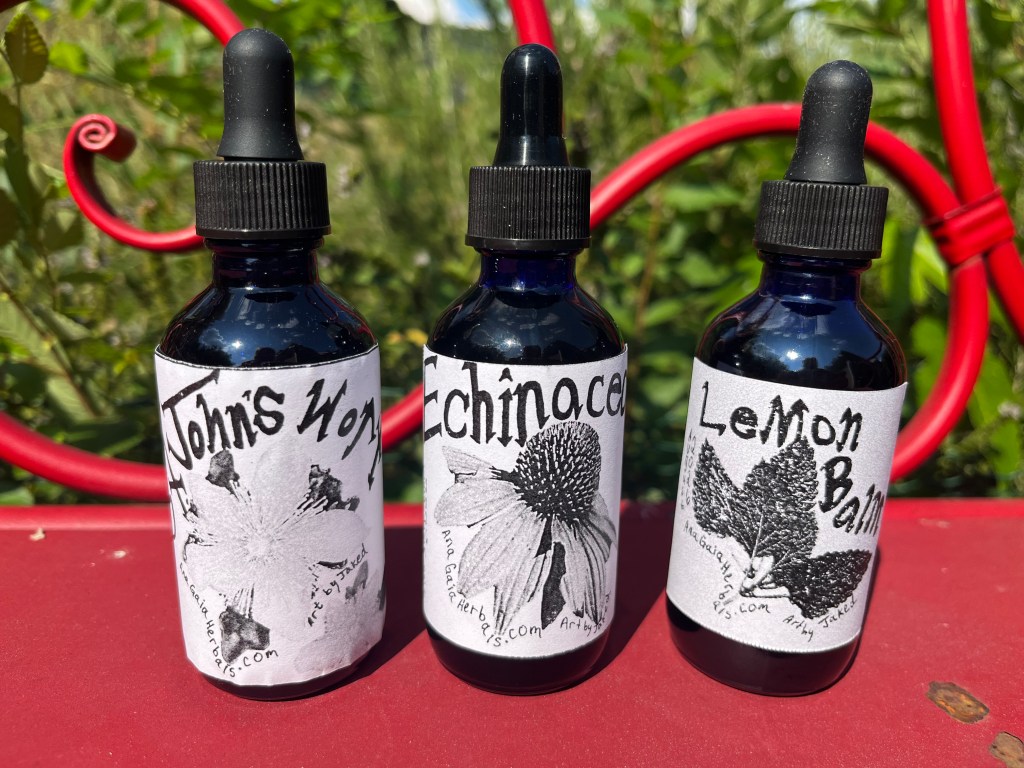
I gathered and prepared, beginning the slow process of allowing these beautiful plants to give their medicine to the menstruum. Now, as summer gives way to autumn, I find myself enjoying the harvest—not only in my own home, but by sharing these beautiful tinctures with my clients and community.
There is something deeply satisfying about opening a bottle and knowing that months ago, that medicine began as a living plant growing beneath the summer sun.
St. John’s Wort — Hypericum perforatum
St. John’s Wort has a long history in traditional European herbalism and is particularly associated with the light of midsummer. It has traditionally been valued for supporting the nervous system and emotional well-being.
For me as a massage therapist, St. John’s Wort also has a fascinating relationship with neuromuscular health. Hypericum has a long tradition of use for nerve-related discomfort, bruising, muscle soreness, and other musculoskeletal complaints, particularly in topical preparations. Research into its effects on pain and neuropathy is intriguing.
Echinacea — Echinacea purpurea
Echinacea is one of those plants that feels like a quintessential ally for the changing seasons.
Traditionally, Echinacea has been used to support the body’s defenses, particularly during times when respiratory illnesses are circulating.
As an herbalist, I love Echinacea not because I think of it as a magical “immune booster,” but because it reminds me of a larger principle of herbalism: supporting the body’s own resilience.
Lemon Balm — Melissa officinalis
Oh, Lemon Balm.
This cheerful, lemon-scented herb has long been cherished as a gentle, uplifting plant ally. Traditionally, Lemon Balm has been used for nervous tension, occasional digestive upset, and the restless feeling that can accompany a busy life.
There is also some interesting modern research around Lemon Balm and mood. Clinical trials and a systematic review have found potential benefits for anxiety and depressive symptoms.
This is one of the reasons I especially love Lemon Balm as we move toward the darker half of the year. Sometimes “medicine” is not about forcing ourselves to be cheerful—it is about creating a little more softness, calm, and connection.
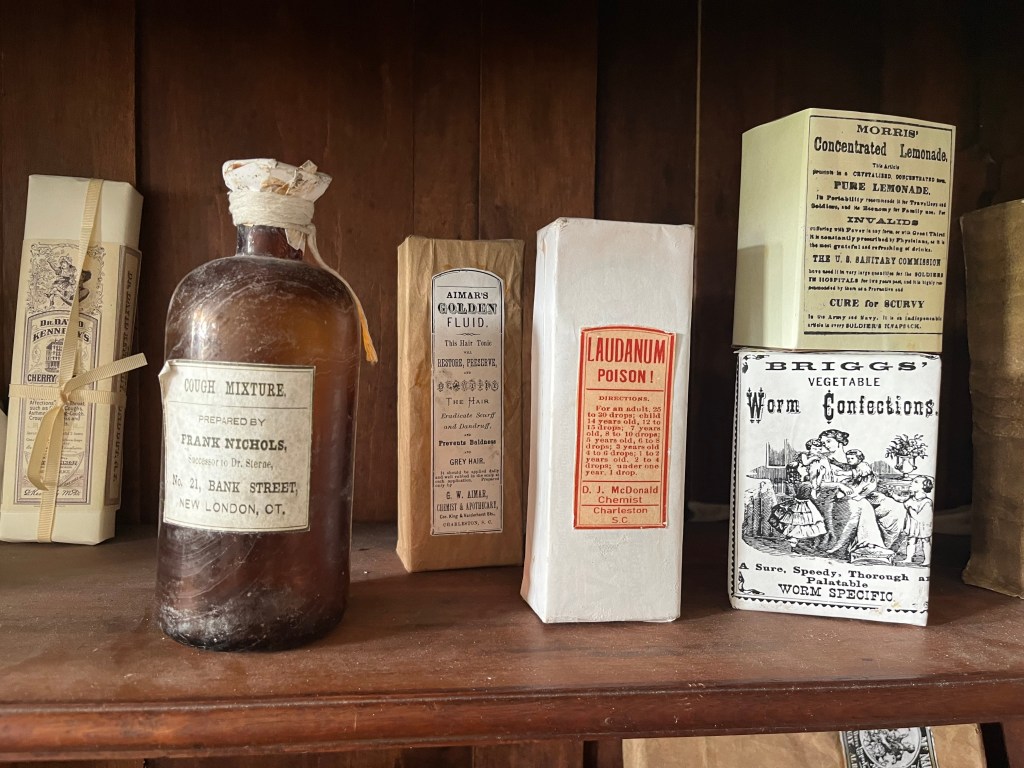
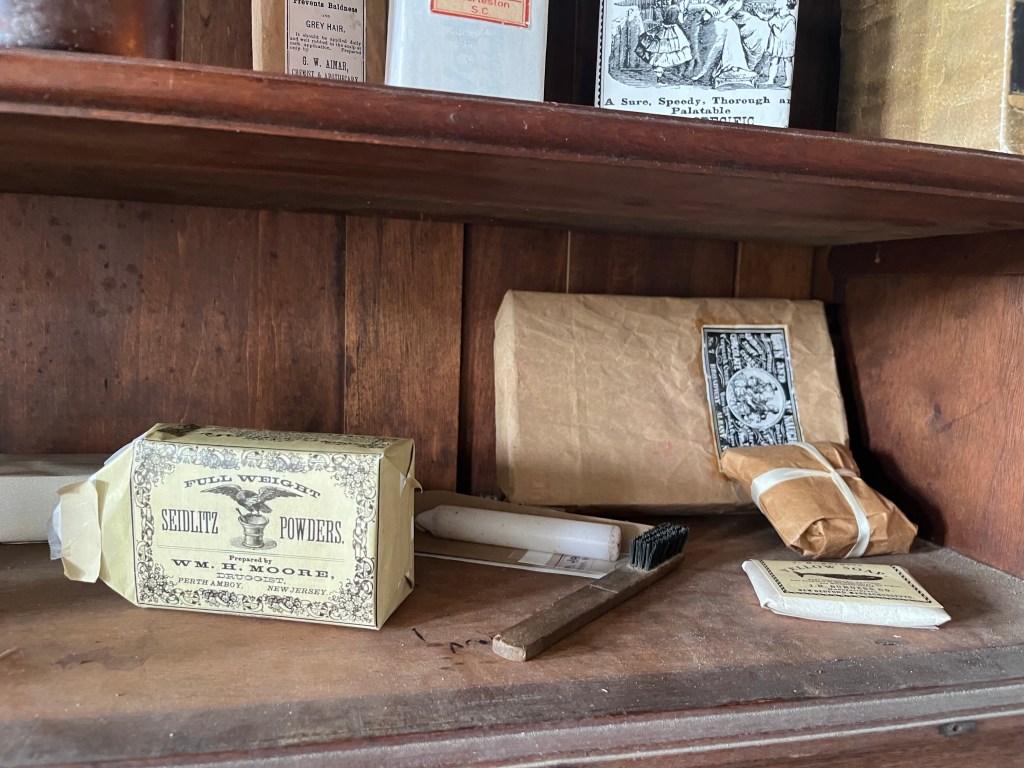
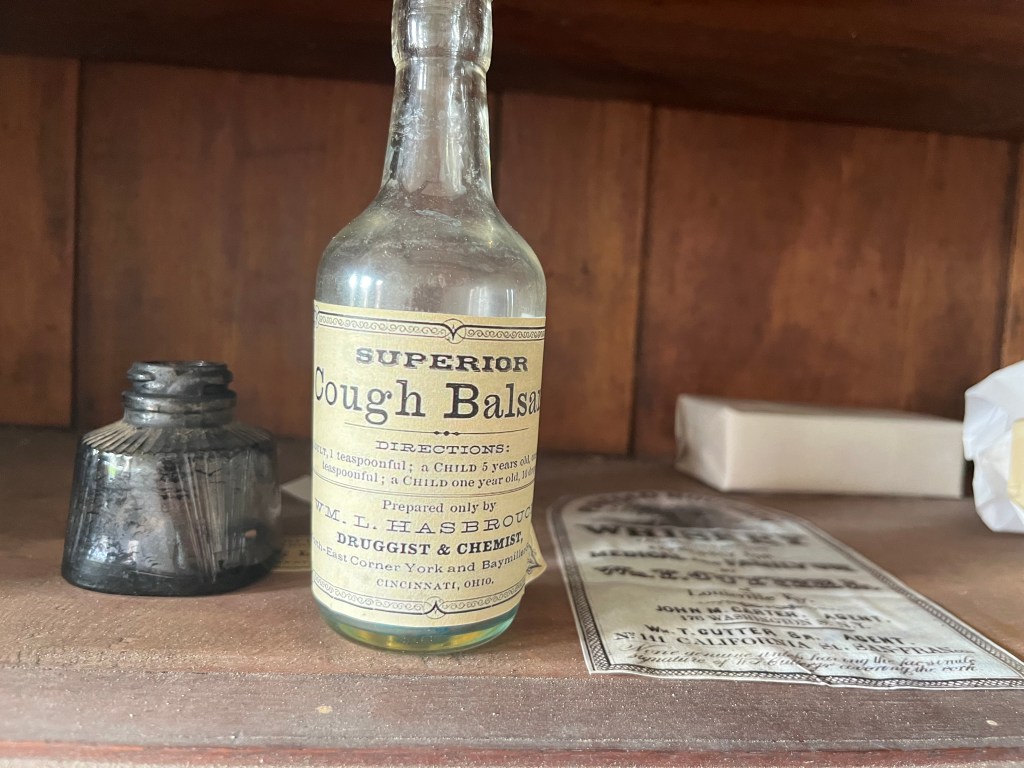
This summer, my family also took a trip to Savannah and Tybee Island, and while we were there we visited Fort Pulaski.
Standing inside that massive brick fort and learning about the people who lived, worked, fought, suffered, and healed there during the Civil War era brought something home to me.
What caught my herbalist’s eye were the remnants of everyday health and medicine.
I found myself standing there thinking about how profoundly different—and yet how familiar—the relationship between people and plants once was.
For much of human history, people worked with what grew around them. Plants were food, spice, medicine, dye, fiber, ceremony, and companionship. Plant-derived substances and herbal preparations were woven into the fabric of everyday life.
And somewhere along the way, much of modern society became increasingly separated from that relationship.
We have gained extraordinary things from modern medicine, and I am grateful for many of them. Pharmaceuticals and modern medical technology can save lives. But I also believe we have lost something when our first relationship with health becomes one of dependence on a pill rather than an understanding of our bodies, our food, our environment, our communities, and the plants growing around us.
There are many reasons for this shift: the structure of modern medical education, the enormous investment in pharmaceutical research and development, the economics of healthcare, and documented financial relationships between industry and medical professionals. Research has even found that industry relationships can begin during medical training.
But I don’t think the answer is to reject modern medicine.
I think the answer is to remember what came before it—and bring that wisdom back into the conversation.
Perhaps nature is not asking us to choose between the old world and the new.
Perhaps she is simply asking us to remember that there is room for both.
A return to nature can be medicine in itself.
Sometimes, the “doctor” we are waiting for is not a person at all.
Sometimes, it is the wisdom we have simply forgotten to listen to.
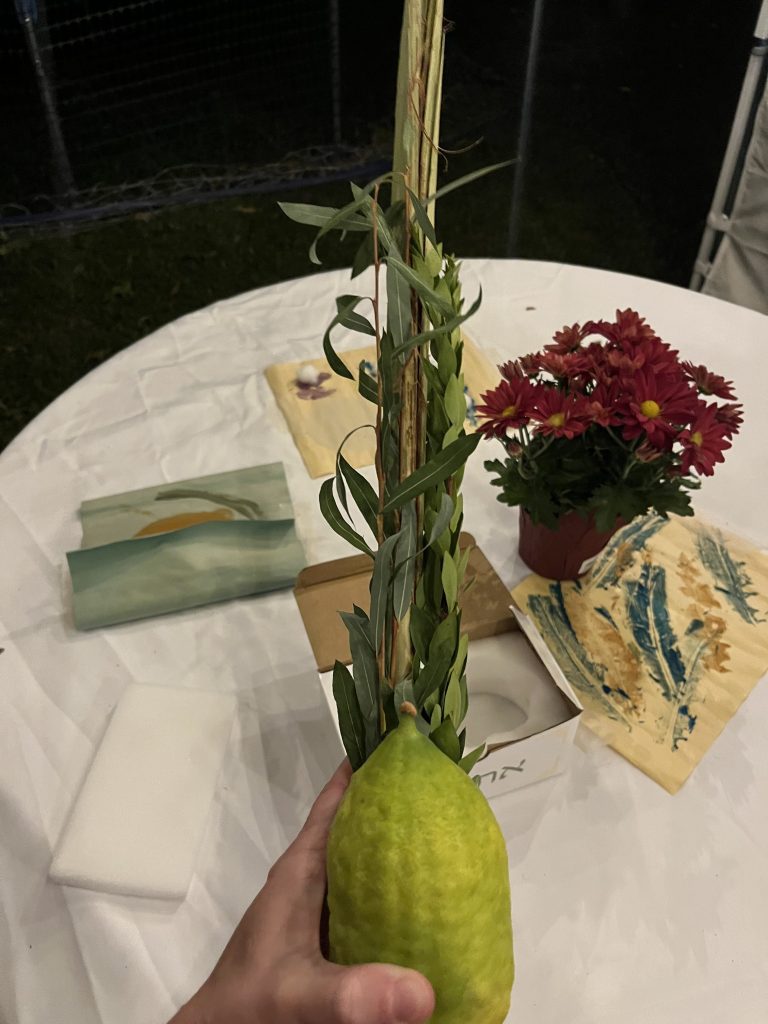
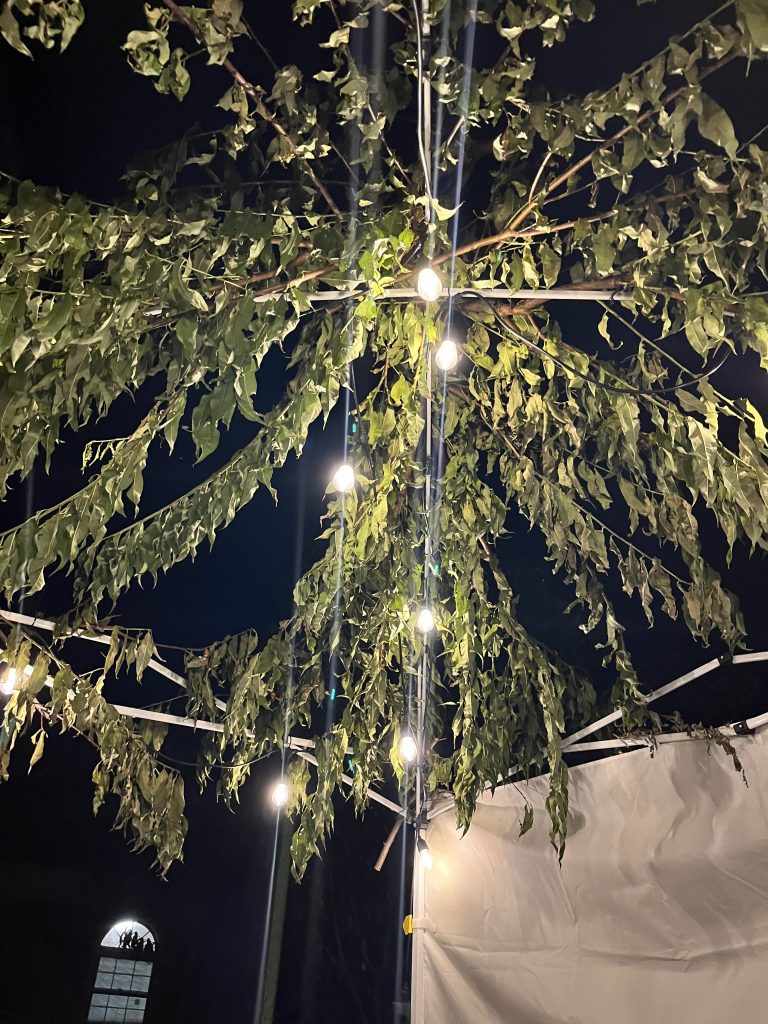
This week, my family is also concluding our celebration of Sukkot, the Jewish Festival of Booths and Harvest.
Sukkot is traditionally a celebration of the harvest and of gratitude, while also remembering the temporary shelters in which the Israelites lived during their journey through the wilderness. The holiday is marked by spending time in a sukkah, a temporary dwelling made with natural materials, and by celebrating with the Four Kinds—four plants traditionally brought together during the festival.
I love that this celebration arrives at this particular point in the year.
Harvest. Gratitude. Shelter. Nature. Nourishment. Rest.
These are exactly the energies I feel myself moving toward. The fiery, expansive energy of summer begins to soften. The days grow shorter. The garden gives what it has grown. We gather what we can, preserve what we need, and begin turning inward. This is where I begin thinking less about stimulating and more about nourishing.
Nettle
Nettle is one of my favorite nourishing herbs. Traditionally valued as a mineral-rich food and tonic herb, nettle provides nutrients including calcium, iron, vitamin A precursors, and protein.
Oatstraw
Oatstraw has a long place in traditional herbalism as a gentle nourishing herb, particularly associated with supporting the nervous system during times of stress and depletion.
It feels like a beautiful companion for the season when we begin transitioning from doing to being.
Red Clover
Red Clover has traditionally been used as a nourishing and alterative herb and is especially associated with women’s herbalism and seasonal support.
Together, herbs like nettle, oatstraw, and red clover represent something I love deeply about traditional herbalism:
Not everything has to be a strong intervention. Sometimes the medicine is simply nourishment.
And so, as I look around at the beautiful harvest from this summer, I am reminded that the work of the herbalist is not only about making medicine. It is about learning to listen to the seasons. The sun is still shining. Go outside. Feel it on your face. Walk barefoot when you can. Gather something. Make tea. Sit beneath a tree. Take a deep breath. Let your body remember what summer felt like before the days grow short. And then, when the darkness begins to arrive, don’t fight it.
There is a season for expansion.
There is a season for harvest.
And there is a season for rest.
The winter solstice is our next great seasonal turning point, arriving December 21, 2026, when the Northern Hemisphere reaches its shortest day and longest night.
We have time before we get there. But perhaps that is the beauty of this season. We don’t have to rush. We can gather. We can nourish. We can reflect. We can restore. And we can prepare—not fearfully, but lovingly—for whatever the next season asks of us. That is the wisdom I find in the plants. That is the wisdom I find in the harvest. And that is the wisdom I hope to keep sharing…
-Ana
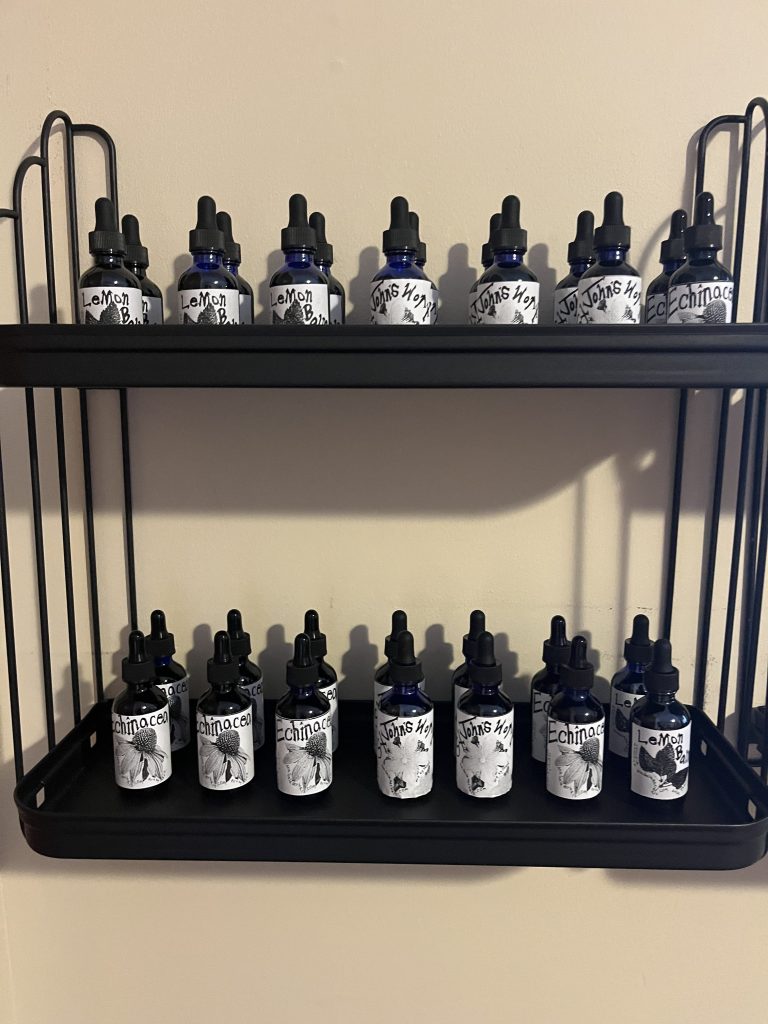
Lemon Balm, Echinacea, & St. Johns Wort available while supplies last. Contact me for local pickup! $12 per tincture.


Leave a comment